


Each April, millions of pensioners across the United Kingdom see their state pensions increase thanks to the Triple Lock system. But not every British pensioner benefits from this uplift.
In fact, tens of thousands of UK pensioners are missing out on these annual increases not due to error, but because of a controversial and long-standing government policy known as the “frozen pensions” rule.
Despite public awareness campaigns, petitions to Parliament, and mounting media attention, the situation remains unchanged for many retirees who have moved abroad. This article explores why this issue persists, who is affected, and what’s being done about it.
What Is the Frozen Pensions Policy?

The frozen pensions policy refers to the UK government’s rule of not uprating (increasing) the state pension each year for certain pensioners who live abroad.
Under current legislation, only pensioners living in countries that have reciprocal social security agreements with the UK receive their annual increases.
Those who do not live in such countries such as Canada, Australia, New Zealand, and many Caribbean nations see their state pension permanently frozen at the rate it was first paid when they retired or moved abroad.
For example, if a pensioner moved to Australia in 2000 and was entitled to a weekly state pension of £67.50, they would still be receiving just £67.50 in 2026, despite years of cost-of-living increases in the UK.
How Many Pensioners Are Affected?
According to official figures, over 500,000 UK pensioners are currently affected by this policy. These individuals paid into the UK’s National Insurance system throughout their working lives but now receive no annual increase due to their location abroad.
Some key numbers include:
| Country | Estimated Frozen Pensioners |
| Australia | 230,000+ |
| Canada | 126,000+ |
| New Zealand | 65,000+ |
| South Africa | 33,000+ |
| India | 8,000+ |
This means that nearly half a million UK pensioners are living on pensions stuck in the past, often decades behind what they would receive if they had remained in the UK or moved to a different country with an agreement.
Why Does This Policy Exist?
The government justifies the frozen pension rule on the basis of bilateral agreements. Annual pension uprating abroad is only paid where the UK has signed specific agreements with other countries.
While the UK has such arrangements with the European Union, the United States, and some others, no agreements exist with major Commonwealth nations like Canada and Australia.
Ironically, this means pensioners in the U.S. receive increases, but those in Canada do not even though both paid the same National Insurance contributions.
Critics argue this is both unfair and illogical. These pensioners contributed into the same system, under the same rules, and often served in UK public services or the armed forces. The location of their retirement should not determine the value of their pension.
Real-Life Impacts of Frozen Pensions
The impact on pensioners is severe, especially as they age and costs rise. Many report having to rely on relatives or charities to cover basic living expenses.
Others return to the UK in their later years just to receive the increases, placing pressure on the NHS and social care system.
Case Study:
“My mum worked for 40 years in the UK before retiring to Canada. She receives £72 a week – that’s all. It hasn’t gone up in 20 years. It’s shameful,” says David R., whose mother is now 88 and struggling to pay for heating.
Another pensioner, 92-year-old Jean living in Australia, said:
“Every year I watch the news and see pensions go up in the UK. But not for me. I paid in like everyone else. It’s heartbreaking.”
Does the Government Acknowledge the Issue?
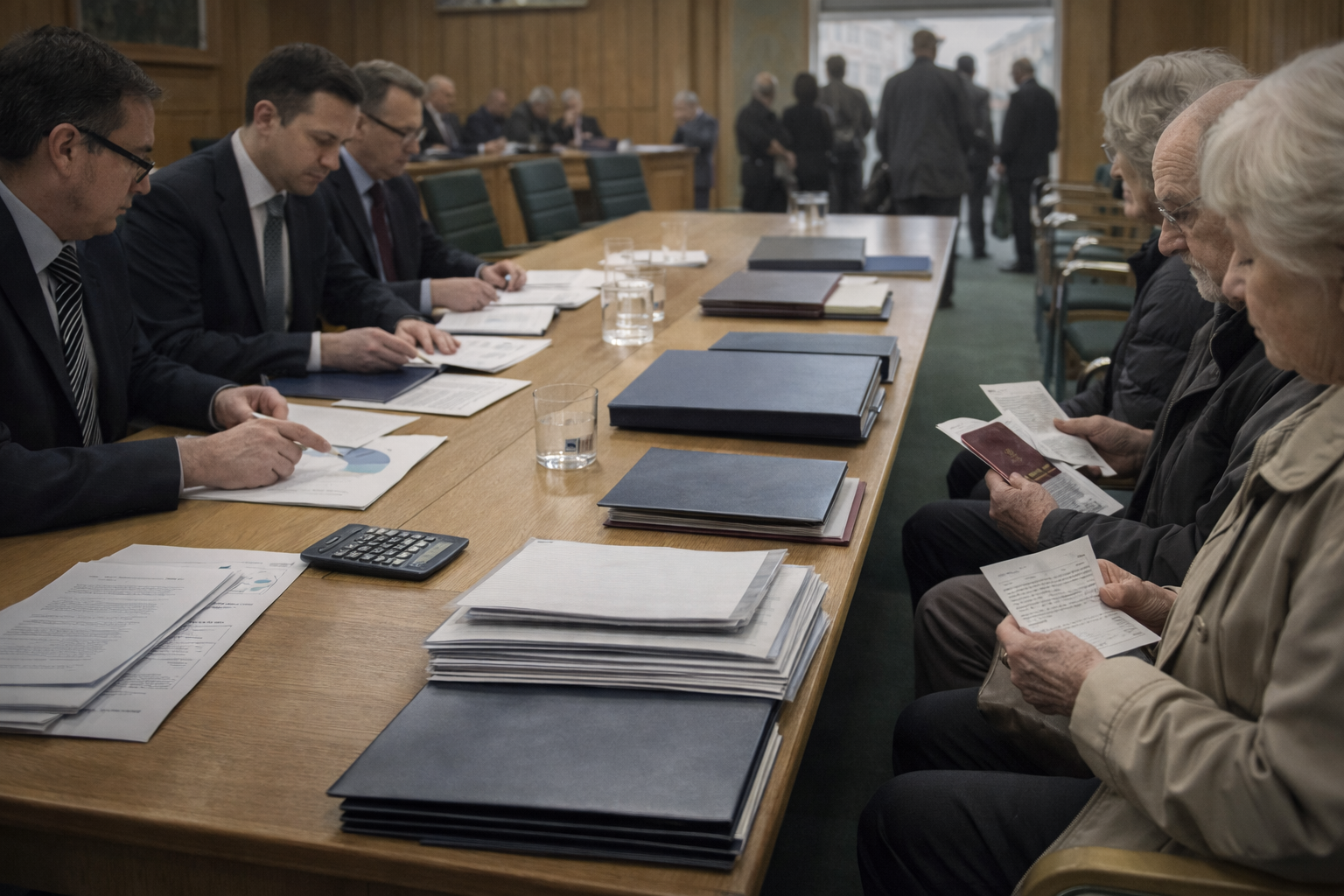
The UK government has repeatedly stated it has no plans to change the frozen pensions policy, despite ongoing lobbying from pensioner groups, MPs, and international organisations.
In fact, when asked about the policy in Parliament, government ministers often cite the cost of change estimated to be around £600 million annually if all frozen pensions were uprated.
However, groups like the International Consortium of British Pensioners (ICBP) argue that cost is not the primary concern it’s principle and fairness.
They also argue that failing to uprate pensions often leads to higher long-term costs, as some pensioners return to the UK and rely on taxpayer-funded support.
Brexit and the Frozen Pensions Debate
Brexit sparked further discussions about pension security for Brits abroad. While pensioners in the EU were initially concerned they would face frozen payments, the UK government secured an agreement ensuring continued uprating for UK pensioners in the EU post-Brexit.
This move highlighted a glaring contradiction: retirees in Spain or Germany receive full increases, but those in long-standing Commonwealth nations like Canada and Australia remain excluded.
Campaigns and Legal Challenges
Multiple advocacy organisations continue to fight against the frozen pensions policy. These include:
- End Frozen Pensions
- International Consortium of British Pensioners (ICBP)
- British Pensions in Australia (BPIA)
Legal challenges have been brought before UK and international courts, including the European Court of Human Rights, but none have succeeded so far.
Nonetheless, campaigners are optimistic. Increased media coverage, ongoing petitions, and the moral argument continue to put pressure on the government.
For regular updates, readers can explore the latest UK state pension news, including developments on policy shifts and campaign efforts.
Is There Hope for Change?
Although there has been no major legislative breakthrough, several positive signs are emerging:
- Cross-party support in Parliament has grown. More MPs now recognise the injustice of frozen pensions and have spoken out publicly.
- Media attention is increasing, particularly around general elections when pension issues take centre stage.
- Public awareness is growing, especially among younger generations planning their own retirement strategies.
Campaigners argue that if even a partial uprating system were introduced (e.g., for those aged 85+), it would significantly reduce hardship while still being financially manageable for the government.
What Can Affected Pensioners Do?
If you’re a UK pensioner living abroad or planning to retire overseas, here’s what you can do:
- Check whether your destination country receives annual increases. The UK Government’s website lists all countries with uprating agreements.
- Join advocacy groups such as End Frozen Pensions to support lobbying efforts.
- Speak to your MP, especially if you or a relative are directly affected.
Final Thoughts
The frozen pensions policy remains one of the most controversial and least understood aspects of UK retirement policy. For over half a million pensioners, this rule creates financial hardship, social inequality, and emotional distress, all because of where they chose to spend their retirement.
As debate continues, campaigners and affected individuals are hopeful that fairness will eventually prevail. The UK prides itself on principles of equity and respect for its elderly. It may only be a matter of time before frozen pensions are thawed, once and for all.
